
Mastering Hot and Cold Therapy at Home: The Ultimate 2026 Contrast Guide
The most transformative health results come not from heat or cold alone, but from the strategic "vascular gymnastics" of alternating both at precise temperatures. You've likely felt the frustration of stagnant recovery or the sheer inconvenience of lugging endless bags of ice to a manual tub just to find relief. It's often confusing to know exactly when to reach for the heat and when to dive into the ice, especially when your physical performance and mental clarity are on the line.
This guide will demystify the science of contrast therapy with cold plunge systems, providing you with a professional-grade protocol to slash inflammation and build unbreakable mental resilience. You'll discover how to leverage hormetic stress to optimize your body's natural healing processes from the comfort of your home. We'll explore the latest 2026 bio-optimization trends, from automated sanitation to precision thermal management, ensuring you have a clear roadmap to master your physiology and achieve peak recovery every single day.
Key Takeaways
- Understand how controlled hormetic stress triggers deep cellular repair and optimizes your body's natural recovery mechanisms.
- Implement the "Fire and Ice" routine to master contrast therapy with cold plunge equipment for elite-level physical and mental results.
- Learn specific protocols to reduce muscle soreness and enhance lymphatic drainage for faster turnaround between intense training sessions.
- Identify the critical engineering features, including high-performance chillers and advanced insulation, necessary to maintain true cold shock temperatures at home.
The Science of Hot and Cold Therapy at Home
Contrast therapy is the deliberate alternation between hot and cold immersion, a practice that transcends simple comfort to target deep physiological systems. While many people associate temperature therapy with localized pain relief, the true power of this modality lies in systemic adaptation. By exposing the body to controlled thermal extremes, you aren't just treating a symptom; you're training your entire organism to become more resilient. This intentional stress response is the foundation of a high-performance recovery routine.
The biological mechanism driving these results is known as hormesis. Hormesis is the concept that low-dose, controlled stressors trigger a compensatory repair response that leaves the body stronger than it was before the stress occurred. When you engage in contrast therapy with cold plunge sessions, you're essentially forcing your cells to activate survival and repair pathways that remain dormant in climate-controlled environments. According to The Science of Hot and Cold Therapy, these rapid shifts in temperature serve as a powerful catalyst for cellular rejuvenation and metabolic efficiency.
Your autonomic nervous system plays a critical role in managing these rapid temperature shifts. The transition from intense heat to extreme cold forces the nervous system to toggle between sympathetic activation and parasympathetic recovery. This "nervous system training" improves your ability to manage stress in daily life, enhancing mental clarity and emotional stability. It's a holistic approach to wellness that prioritizes long-term adaptation over temporary fixes.
Vasodilation vs. Vasoconstriction: The Vascular Pump
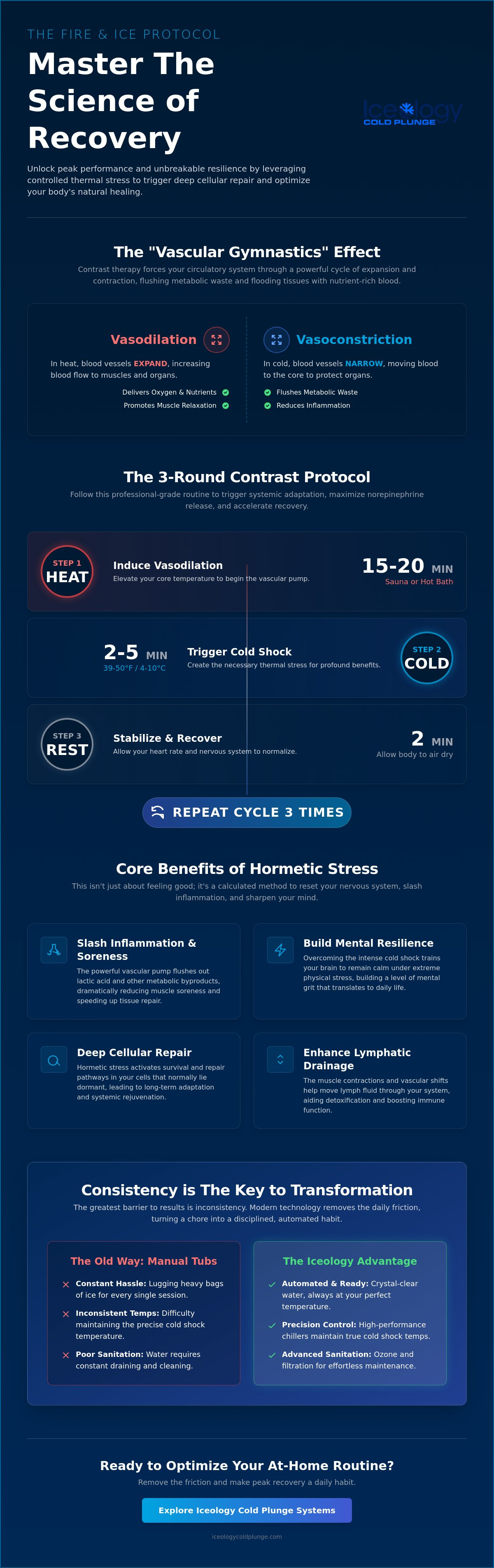
During the heat phase, your blood vessels undergo vasodilation. This expansion allows nutrient-rich, oxygenated blood to flood your muscles and organs, promoting healing and relaxation. When you switch to the cold phase, the opposite occurs. Vasoconstriction kicks in, narrowing the vessels to move blood toward your core and effectively flushing out metabolic waste and toxins that accumulate during intense training. The vascular pump is the rhythmic alternating of these two states that drives systemic circulation and accelerates tissue recovery.
Why Home Therapy is the Future of Recovery
The most significant barrier to long-term neurological and physical benefits is a lack of consistency. In the past, achieving true cold shock required the inconvenience of buying and hauling heavy bags of ice for manual baths, a process that creates enough friction to derail even the most dedicated athletes. Modern technology has changed the landscape. Investing in a premium cold plunge tub allows you to maintain precise, automated temperatures without the manual labor. Having this technology at your fingertips ensures that your practice remains a disciplined, daily habit rather than a sporadic luxury. By removing the logistical hurdles, you can focus entirely on your personal performance and the transformative power of contrast therapy with cold plunge protocols.
Sauna and Cold Plunge: The Ultimate Contrast Routine
Elite athletes have long utilized the "Fire and Ice" combination to maintain a competitive edge. This isn't just about soothing tired muscles; it's a calculated method to reset the nervous system and sharpen the mind. The psychological shift that occurs when you transition from a sweltering sauna to a 39°F plunge is profound. You're training your brain to remain calm under extreme physical stress, a skill that translates directly to high-pressure environments in your daily life. Overcoming the initial cold shock response builds a level of mental grit that few other wellness practices can match.
Before you begin your session, preparation is vital. Hydration is non-negotiable because contrast therapy moves a significant amount of fluid through your system. Ensure you've consumed enough water and electrolytes to support the intense vascular shifts. A common mistake is staying in the heat for too long without a proper cooling phase, which can lead to lightheadedness or fatigue rather than rejuvenation. Always perform a quick safety check of your equipment to ensure your water temperature is precisely where it needs to be for an effective session.
The 3-Round Contrast Protocol
To maximize the benefits of contrast therapy with cold plunge equipment, a structured approach is essential. Follow this professional-grade protocol to ensure systemic adaptation:
- Step 1: Spend 15 to 20 minutes in a sauna or hot bath to elevate your core temperature and induce vasodilation.
- Step 2: Transition immediately to 2 to 5 minutes in a cold plunge set between 39°F and 50°F. This creates the necessary thermal stress to trigger norepinephrine release.
- Step 3: Step out and rest for 2 minutes to let your heart rate stabilize.
Repeat this cycle three times for a full session. It's preferred to end on the cold phase for metabolic and mental benefits. Ending on cold forces your body to generate its own heat, which boosts your metabolic rate and leaves you with a sharp, focused mental state that lasts for hours after you've dried off.
Frequency and Timing for Maximum Results
Timing your routine depends on your specific wellness goals. Performing your routine in the morning provides a massive spike in alertness and dopamine, setting a productive tone for the day. If you choose the evening, the subsequent drop in core body temperature after the cold plunge can signal to your brain that it's time for deep, restorative sleep. For those seeking long-term physiological changes, 11 minutes of total weekly cold exposure is the science-backed baseline for metabolic health. If you're ready to build your own high-performance sanctuary, explore the professional-grade options available at Iceology to ensure your setup meets these rigorous standards. Aim to perform a full contrast routine two to three times per week to see the most significant improvements in recovery and resilience.
Benefits of Integrating Heat and Cold Exposure
Integrating heat and cold exposure offers a multifaceted approach to wellness that extends far beyond simple muscle relief. While the previous sections detailed the vascular pump and specific protocols, the physiological rewards of contrast therapy with cold plunge sessions involve deep metabolic and neurological shifts. One of the most compelling benefits is the activation of brown adipose tissue, or brown fat. Unlike white fat, brown fat is thermogenic; it burns calories to generate heat when your body is exposed to extreme cold. This process provides a natural metabolic boost while improving insulin sensitivity and overall energy expenditure.
The mental impact is equally profound. Cold exposure triggers a massive release of norepinephrine and dopamine, often increasing levels by 200% to 300% for several hours. This sustained chemical surge provides a natural state of heightened focus and improved mood that caffeine simply cannot replicate. It's a clean, steady energy that empowers you to face the day's challenges with a composed and resilient mindset. By choosing the discomfort of the cold, you're effectively rewiring your brain to handle stress with greater ease.
Physical Performance and Inflammation
Physical performance thrives when systemic inflammation is kept in check. Intense training creates micro-tears in muscle tissue, leading to Delayed Onset Muscle Soreness (DOMS). The rapid constriction during the cold phase effectively suppresses the inflammatory fire that causes this pain, while the subsequent heat improves joint mobility and reduces stiffness. This ensures your body remains fluid and ready for the next session. Professional sports teams prioritize contrast stations in their training facilities because they recognize that faster recovery translates directly to a more consistent, high-level output on the field.
Mental Resilience and Stress Management
Mental resilience is a skill that can be sharpened through disciplined practice. By intentionally subjecting yourself to controlled cold exposure, you're training your vagus nerve to transition more efficiently between stress and relaxation. This practice also improves sleep quality by helping to regulate your circadian rhythm, signaling to your body when to be alert and when to enter deep, restorative states. There is an undeniable sense of empowerment that comes from winning the morning by choosing the difficult plunge. It builds a disciplined foundation that carries over into every other aspect of your life, from professional performance to personal relationships.
Setting Up Your Home Wellness Sanctuary
Creating a dedicated space for recovery requires moving beyond makeshift solutions. While some suggest a cold shower or a simple bag of ice, these methods fail to reach the consistent 39°F threshold necessary for true physiological change. A permanent setup allows for a seamless transition between your heat source and your cold source, which is critical for maintaining the momentum of your routine. When selecting your equipment, the choice between hard-sided tubs and inflatable options often comes down to durability and thermal management. Hard-sided units offer superior structural integrity and the high-grade insulation required to keep your water at a precise temperature regardless of the ambient environment.
American craftsmanship is a hallmark of a high-performance sanctuary. It ensures that every electrical component meets rigorous safety standards while providing the longevity expected from a premium investment. Designing your space for efficiency means placing your sauna and cold plunge in close proximity to minimize the time spent between phases. This proximity ensures your heart rate and vascular systems respond immediately to the temperature shift, maximizing the effectiveness of your contrast therapy with cold plunge protocols.
The Chiller Advantage: Why Ice is Obsolete
The era of hauling heavy bags of ice is over. Integrated chillers provide a level of precision and convenience that manual baths cannot match. You can set your desired temperature and trust that the system will maintain it 24/7. This consistency isn't just a luxury; it's a requirement for those serious about their recovery. Over the long term, an insulated cold plunge tub is far more cost-efficient than the recurring expense and effort of ice. Maintenance is also simplified through automated filtration systems. Using a combination of ozone and UV sterilization keeps your water pristine and crystal clear, allowing you to focus entirely on your performance rather than cleaning duties.
Space and Electrical Considerations
Whether you choose an indoor or outdoor setup, weatherproofing and electrical safety are paramount. Outdoor installations require components that can withstand temperature fluctuations and UV exposure without degrading. Most professional chillers and saunas require standard dedicated circuits, so it's essential to consult with a professional to ensure your home's electrical panel can handle the load. Beyond the technical specs, consider the aesthetics of your environment. A clean, inviting space encourages daily use and turns a recovery session into a grounding ritual. If you're ready to elevate your home setup with precision engineering, you can shop the full Iceology collection to find the perfect foundation for your sanctuary.
Optimizing Your At-Home Routine with Iceology
Iceology represents the pinnacle of home recovery engineering. While previous sections outlined the physiological protocols of contrast therapy with cold plunge routines, the equipment you choose determines the sustainability of your practice. Our tubs are designed for extreme performance, utilizing premium materials that withstand the rigors of daily thermal cycling. USA-made quality isn't just a label; it's a commitment to precision and durability that temporary alternatives simply cannot match. By choosing a hard-sided foundation, you're investing in a permanent sanctuary that supports your long-term wellness goals.
Engineered for Excellence
The core of the Iceology experience lies in our integrated chillers. These units are engineered to reach and maintain the critical 39°F mark, ensuring you experience true cold shock every time you submerge. We use high-density polyurethane foam insulation to wrap the tub, which provides exceptional thermal retention and energy efficiency. This feature-then-benefit design means your chiller works less to maintain temperature, reducing your operational costs while keeping the water ready for your next session. You gain the peace of mind that comes with expert American craftsmanship, knowing your electrical components are safe and reliable. Hard-sided durability ensures your tub remains a centerpiece of your wellness routine for years to come.
Ready to Transform Your Recovery?
Your journey to a stronger, more resilient self starts with the right tools. We've simplified the setup and maintenance process for the modern homeowner, removing the friction that often prevents people from sticking to a disciplined recovery routine. Contrast therapy with cold plunge equipment shouldn't be a chore; it should be the highlight of your day. By integrating these high-performance tools into your home, you join a community of high-performers who prioritize their physical and mental state above all else. Take control of your recovery today and experience the transformative power of a professional-grade setup designed for those who refuse to settle for average results.
Elevate Your Daily Recovery Protocol
Mastering your physiology requires more than sporadic effort; it demands a dedicated environment where precision meets discipline. You now understand how the rhythmic shift between thermal extremes optimizes your vascular health and builds mental grit. By implementing a structured routine, you transition from simply managing pain to actively enhancing your systemic resilience. This is the core of effective contrast therapy with cold plunge protocols, where every session serves as a catalyst for peak performance.
The path to total-body optimization is built on the quality of your equipment. Iceology provides the engineering excellence you need. Our tubs are manufactured in the USA and feature premium high-density polyurethane insulation for maximum energy efficiency. With integrated chillers that reach the critical 39°F mark, you can trust that your sanctuary is always ready. Explore Iceology’s USA-made cold plunge tubs and start your home recovery journey today. Take the first step toward a more resilient version of yourself.
Frequently Asked Questions
Is it better to start with hot or cold therapy first?
You should always start with heat to effectively dilate your blood vessels and elevate your core temperature. This preparation makes the subsequent transition to cold more impactful for your vascular system. Most practitioners prefer to end their session on cold. This final plunge helps to reduce inflammation and leaves you in a state of heightened mental alertness that lasts for several hours.
How long should a typical contrast therapy session last at home?
A complete session typically lasts between 45 and 60 minutes. This timeframe allows for three full rounds of the protocol, consisting of 15 to 20 minutes of heat followed by 2 to 5 minutes of cold immersion. While individual tolerance varies, this duration provides enough time for your body to move through the full cycle of vasodilation and vasoconstriction required for systemic benefits.
Can I do hot and cold therapy every day?
Daily practice is perfectly safe for most healthy individuals and can lead to faster neurological adaptations. Many high-performers use a shorter version of the routine every morning to sharpen their focus. If you're using it for intense athletic recovery, listen to your body's signals. Performing a full three-round routine three to four times per week is often sufficient for maintaining peak physical resilience.
What is the ideal temperature for a cold plunge during contrast therapy?
The most effective temperature range for the cold phase is between 39°F and 50°F. Staying within this window ensures you trigger a significant cold shock response, which is necessary for the release of norepinephrine and the activation of brown fat. Temperatures above 60°F may feel refreshing, but they often fail to produce the deep hormetic stress required for long-term physiological changes.
Are there any risks associated with alternating between a sauna and cold plunge?
Rapidly shifting between temperature extremes puts a significant demand on your cardiovascular system. If you have a history of heart disease or high blood pressure, you must consult a physician before starting. Always prioritize hydration to replace the fluids lost during the heat phase. If you feel lightheaded or excessively fatigued, exit the water immediately and allow your body to return to a neutral temperature.
Do I need a professional setup, or can I use a hot shower and cold bath?
A professional setup is superior because it provides the immersion and precision needed for true systemic results. While a cold shower is a good entry point, it doesn't offer the consistent, all-encompassing pressure of a dedicated tub. Mastering contrast therapy with cold plunge systems ensures your water remains at the exact 39°F mark, something a standard home tap rarely achieves during warmer months.
How long does it take to see benefits from hot and cold therapy?
Mental benefits like improved mood and focus are often immediate due to the rapid release of dopamine and norepinephrine. For physical results, such as reduced muscle soreness and improved circulation, consistency is the determining factor. Most users report a significant decrease in systemic inflammation and better sleep quality after two to three weeks of performing contrast therapy with cold plunge routines on a regular basis.
What should I do if I have a high heart rate during the transition?
It is normal for your heart rate to spike briefly when you first enter the cold water. Focus on long, slow exhalations through your nose to signal to your nervous system that you are safe. This helps activate the parasympathetic response and brings your heart rate down. If your heart continues to race or you feel palpitations, exit the plunge and rest until your vitals stabilize.