
How to Build a Wellness Routine Around a Cold Plunge: A Step-by-Step Guide
Most cold water therapy habits don't collapse because the water feels too frigid; they fail because hauling heavy ice bags and guessing your session timing drains your willpower before you even step in. If you've ever stood beside a tub wondering whether to plunge at sunrise or wait hours after lifting weights, you aren't alone. Learning how to build a wellness routine around a cold plunge requires moving past haphazard dips and establishing a deliberate, sustainable ritual that fits your everyday life.
In this guide, you'll discover how to structure an evidence-based daily and weekly schedule that sharpens mental resilience, accelerates muscle recovery, and elevates sustained energy. We break down the precise water temperatures, breathing protocols, and timing windows needed to unlock powerful physiological adaptations without shocking your nervous system. You'll also learn how reliable chilling hardware and automated ozone sanitation turn cold immersion from an exhausting chore into an effortless, permanent cornerstone of your health.
Key Takeaways
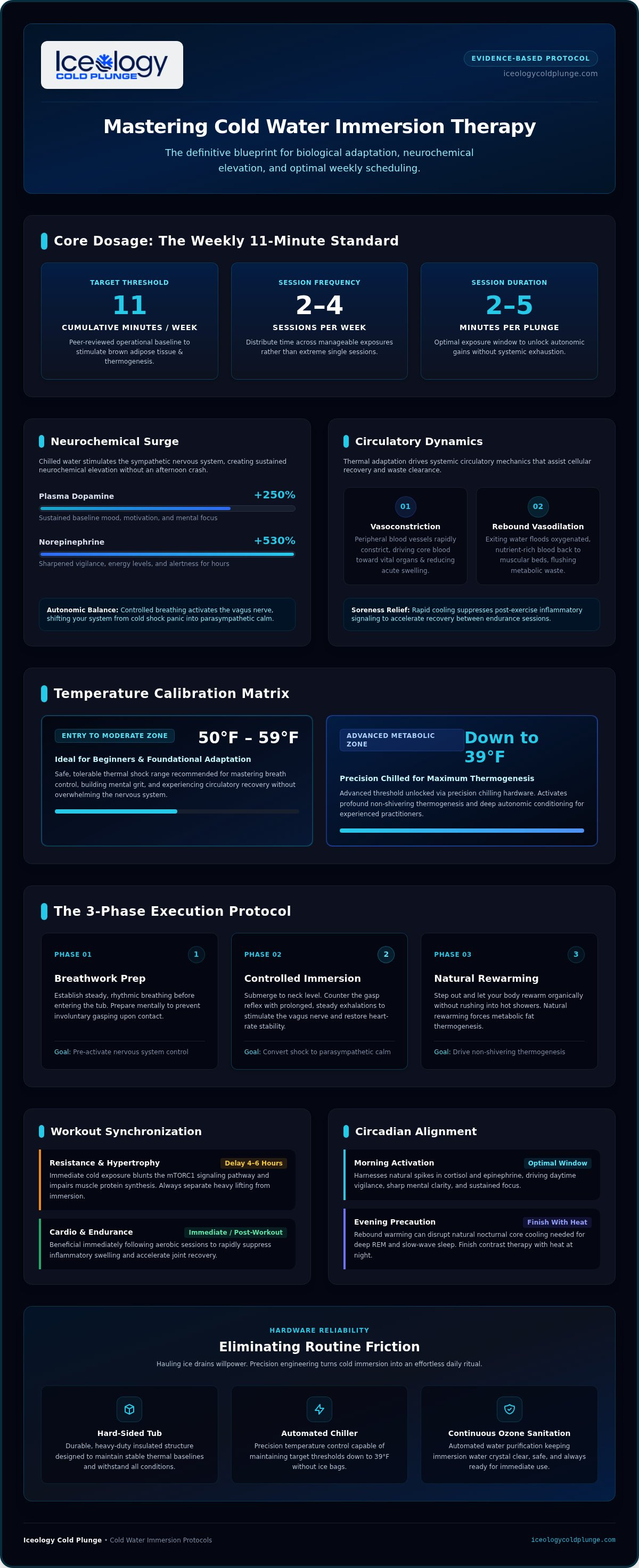
- Discover how to build a wellness routine around a cold plunge by targeting the evidence-backed baseline of 11 cumulative minutes each week.
- Calibrate temperature zones safely from entry-level cool thresholds down to 39°F for advanced metabolic activation.
- Master the 3-phase protocol to manage the initial cold shock response and let natural rewarming drive fat thermogenesis.
- Time your immersion sessions strategically around resistance workouts to safeguard muscle protein synthesis and optimize recovery.
- Eliminate the friction of hauling ice by integrating hard-sided tubs with automated chilling and continuous ozone sanitation.
Understanding the Core Pillars of Cold Water Immersion Therapy
Stepping into near-freezing water triggers an immediate, systemic cascade across your body. It isn't just about testing your willpower; cold water immersion therapy orchestrates profound circulatory, hormonal, and neuromuscular adaptations. Submersion rapidly constricts peripheral blood vessels, driving blood toward your vital organs. Once you step out, rebound vasodilation floods oxygenated blood back to your extremities, delivering fresh nutrients and supporting tissue recovery. Understanding these fundamental mechanics is the first step in learning how to build a wellness routine around a cold plunge that delivers measurable, lifelong results.
Beyond blood flow, cold exposure produces a dramatic surge in mood-regulating neurochemicals. Research shows immersion in chilled water stimulates the sympathetic nervous system to increase plasma dopamine by up to 250% and norepinephrine by up to 530%. This prolonged neurochemical elevation enhances focus, elevates baseline mood, and sharpens alertness for hours without an afternoon crash. While sporadic dips offer temporary relief, true metabolic and autonomic improvements require consistent thermal exposure.
The Nervous System: Shifting from Sympathetic Shock to Parasympathetic Calm
Submerging beneath cold water instantly initiates the cold shock response, driving a sudden gasp reflex and rapid heart rate. Controlled, steady exhalations counter this spike by activating the vagus nerve. As your autonomic nervous system balances, sympathetic fight-or-flight yields to calm parasympathetic regulation. This deliberate shift builds exceptional mental grit, training your mind to stay composed under intense physiological stress.
Circulatory and Inflammatory Mechanisms in Muscle Recovery
Rapid peripheral vasoconstriction accelerates the clearance of metabolic waste products from taxed muscular beds. Integrating a regular routine lets you tap into the scientific benefits of cold plunge, improving cellular resilience and reducing acute muscle soreness. Mastering how to build a wellness routine around a cold plunge also means protecting your training adaptations:
- Targeted Soreness Reduction: Rapid cooling suppresses post-exercise inflammatory swelling to speed recovery between demanding endurance sessions.
- Hypertrophy Timing: Excessive cooling immediately following heavy resistance training blunts natural cellular inflammatory signaling, which is why strength athletes separate lifting from immersion by several hours.
Designing Your Weekly Cold Plunge Schedule: Timing, Temperature, and Duration
Consistency matters far more than extreme endurance. When learning how to build a wellness routine around a cold plunge, peer-reviewed data provides an exact operational threshold: 11 cumulative minutes per week. Distributing this volume across two to four sessions of two to five minutes each maximizes brown adipose tissue activation and non-shivering thermogenesis without overwhelming your system. Novices often thrive by reviewing Harvard Health's guide to ice bathing before starting at moderate water ranges between 50°F and 59°F, while experienced practitioners can calibrate their water temperature down to 39°F using precision chilling systems like those from Iceology Cold Plunge.
Morning Activation Protocols vs. Evening Wind-Down Rituals
Immersion early in the day harnesses your natural morning spikes in cortisol and epinephrine. This neurochemical release elevates daytime vigilance, sharpens mental clarity, and boosts energy levels for hours. Evening dips, however, require caution; cold exposure triggers an internal rebound warming effect that can interfere with your body's natural nocturnal core cooling necessary for deep REM and slow-wave sleep. If you practice contrast therapy at night, finish with heat rather than cold to prepare your body for rest.
Timing Plunges Around Resistance Training and Cardio Sessions
Strategic scheduling protects your physical progress. Diving into cold water immediately after lifting weights disrupts muscular remodeling:
- Hypertrophy Protection: Delay cold immersion by at least four to six hours following resistance training to avoid blunting the mTORC1 signaling pathway and impairing muscle protein synthesis.
- Endurance and Joint Relief: Cardio workouts benefit from immediate post-session immersion, which accelerates core cooling, eases systemic heat strain, and mitigates joint discomfort.
Understanding these physiological boundaries allows you to design custom cold water immersion therapy regimens tailored to your weekly athletic calendar.
The 3-Phase Cold Plunge Protocol: Breathwork, Immersion, and Rewarming
Transforming cold immersion from an uncomfortable trial into a restorative ritual requires structured somatic execution. Simply jumping into freezing water without mental grounding leaves your autonomic nervous system scattered and reactive. Perfecting how to build a wellness routine around a cold plunge relies on executing three coordinated phases: pre-entry regulation, steady immersion control, and deliberate metabolic rewarming. Approaching each phase with discipline turns physical distress into calm mastery.
Pre-Plunge Mental Grounding and Controlled Respiration
Down-regulating your baseline autonomic tone before stepping in blunts the acute panic reflex. Practice three to five cycles of box breathing (four-second inhale, four-second hold, four-second exhale, four-second hold) or double-inhale physiological sighs while standing beside your cold tub. Ground your mental focus on intentional calm. Crucially, as highlighted in Cleveland Clinic's cold plunge safety overview, never practice aggressive hyperventilation or deep breath-retention cycles near or in the basin, as doing so invites serious shallow-water blackout risks.
Submersion Mechanics: Managing the First Sixty Seconds
Step smoothly into the water and lower yourself until the waterline sits across your clavicles. Submerging to the collarbone targets dense networks of autonomic receptors across the upper torso and neck. The initial thirty seconds trigger a sudden gasp reflex accompanied by rapid peripheral vasoconstriction. Tame this reaction immediately:
- Extend Your Exhalations: Draw smooth air in through the nose and push out slow, steady sighs through relaxed lips to immediately slow cardiac velocity.
- Release Physical Tension: Drop your shoulders away from your ears, unclench your jaw, and rest your hands flat along your thighs rather than balling them into fists.
- Monitor Adaptive Boundaries: Beginners can keep their hands rested above the waterline to reduce intense peripheral pain before gradually submerging them in future sessions. Exit immediately if you experience dizziness, intense shivering cramping, or severe skin numbness.
Post-Plunge Rewarming: Harnessing the Horse Stance and Natural Thermogenesis
Stepping out onto an insulated dry surface begins the final pillar of the ritual. Many people rush directly beneath a scalding shower, but doing so halts your body's natural shivering thermogenesis and brown adipose tissue stimulation. Instead, absorb residual water with a towel, stand tall, and sink into a grounded horse stance with feet wide and knees soft. Moving your arms in slow, deliberate arcs warms large muscle groups, stabilizes tremors, and lets your metabolism restore internal core balance independently.
Eliminating Routine Friction: Essential Equipment and Station Setup
Habits thrive when preparation requires almost zero effort. When people ask how to build a wellness routine around a cold plunge that lasts for years, the answer lies in removing logistical barriers. Dragging forty-pound bags of ice home from the grocery store wears down your commitment quickly. Temporary inflatable basins also struggle with ambient heat loss and puncture risks. Investing in a dedicated, hard-sided cold tub with pressure-injected polyurethane insulation locks in thermal stability, cutting compressor run times roughly in half compared to uninsulated vessels.
Integrated Chilling vs. Manual Ice Baths: Consistency is King
Automated cooling turns sporadic dips into a reliable daily ritual. Relying on melting ice results in unpredictable water temperatures that fluctuate wildly from session to session. Modern chilling engines, such as the 1/4 HP Active Aqua units engineered for high-efficiency thermal extraction, steadily pull water temperatures down to 39°F without manual intervention. Exploring a dedicated cold plunge tub with chiller ensures your water remains at the exact therapeutic temperature you require every single morning.
Sanitation and Water Care: The Ozone Sanitation System Advantage
Clear, hygienic water is essential for daily adherence. Traditional chlorine treatments irritate sensitive skin and irritate airways during deep immersion breathing. An integrated Ozone Sanitation System paired with inline filtration cycles tub volume multiple times per hour, breaking down organics and destroying bacteria naturally. This continuous water purification eliminates unpleasant odors and slimy sidewalls, leaving pristine water ready for immediate submersion with minimal weekly filter checks.
Station Placement and Spatial Ergonomics
Designing an intentional recovery footprint reinforces your mental commitment. Whether positioned in an outdoor patio retreat, an insulated garage gym, or a dedicated wellness room, spatial ergonomics matter:
- Clearance and Ventilation: Maintain at least ten inches of open clearance behind the chiller exhaust to preserve compressor cooling efficiency.
- Ground Stability: Confirm your floor structure comfortably supports a filled operating weight between 850 and 900 pounds.
- Access and Traction: Place high-grip, non-absorbent rubber mats along entry and exit pathways to prevent slips when stepping out.
For in-depth site planning and electrical requirements, consult the detailed cold plunge tub setup blueprint.
Leveling Up Your Wellness Protocol with American-Crafted Engineering
Long-term habit adherence demands equipment that performs flawlessly day after day. Inflatable tubs and makeshift basins often fail under frequent use, leaking chilled air and requiring constant maintenance. When deciding how to build a wellness routine around a cold plunge that endures, selecting robust, industrial-grade hardware is the decisive factor. Equipment built with meticulous craftsmanship provides the structural stability and thermal efficiency necessary to make cold water immersion an effortless part of your morning schedule.
The Durability Difference: Grizzly Cooler Hard-Sided Construction
Rotationally molded shells deliver unmatched structural integrity. Built with rotationally molded Grizzly Cooler engineering, these basins withstand harsh seasonal weather outdoors while looking refined in indoor training spaces. Two inches of pressure-injected, closed-cell polyurethane foam insulation create a dense thermal barrier within both the tub walls and the locking lid. This thermal retention cuts compressor duty cycles by an estimated 40% to 55%, ensuring the water remains icy while reducing electrical demand. Discover the standards behind a cold plunge tub made in USA to see how purposeful manufacturing supports your recovery investment.
Sustaining Your Practice with Iceology Cold Plunge
A reliable cold tub turns cold water therapy from an intimidating task into an invigorating sanctuary. Iceology Cold Plunge pairs heavy-duty Grizzly Cooler shells with high-efficiency Active Aqua chilling units and integrated Ozone Sanitation Systems. This integrated design pulls water down to a sustained 39°F and circulates the full 112.5-gallon basin volume more than five times every hour. Continuous movement prevents stagnant thermal layering, ensuring every square inch of water delivers uniform cold shock.
- Ergonomic Comfort: Interior depths allow users to submerge past their shoulders comfortably without cramping their posture.
- Effortless Operation: The system connects to standard 110V household power, keeping your water sanitized, filtered, and chilled around the clock.
Refining how to build a wellness routine around a cold plunge begins with having trustworthy tools ready at a moment's notice. Browse the collection of premium cold plunge tubs to build an enduring daily wellness practice.
Take Command of Your Recovery and Daily Resilience
Mastering how to build a wellness routine around a cold plunge isn't about enduring freezing water through sheer willpower; it's about intentional physiological design. When you synchronize your weekly sessions with your athletic schedule, steady your nervous system through controlled exhalations, and allow natural thermogenesis to rewarm your core, cold water immersion becomes a sustainable catalyst for elevated vitality and mental clarity.
Lasting consistency ultimately depends on eliminating daily preparation friction. With heavy-duty rotomolded Grizzly Cooler hard-sided construction, high-efficiency Active Aqua chilling units cooling down to 39°F, and an advanced Ozone Sanitation System ensuring continuous water purity, your cold tub remains clean, dialed in, and ready on demand.
Embrace the cold, trust the physiological adaptation, and create an empowering recovery ritual that elevates your everyday performance.
Frequently Asked Questions
How often should a beginner do a cold plunge when starting a wellness routine?
Beginners should start with two to three brief sessions per week. Target one to two minutes per dip at moderate temperatures between 50°F and 55°F. This gradual ramp-up introduces your nervous system to cold water immersion without triggering excessive autonomic distress. As your physical tolerance builds, you can accumulate the recommended 11 weekly minutes. Starting cautiously ensures your routine remains an energizing habit rather than an overwhelming physical shock.
Can I do a cold plunge immediately after lifting weights, or should I wait?
You should wait at least four to six hours after lifting weights before plunging. Cold exposure immediately post-lift blunts muscle hypertrophy by suppressing acute inflammation and cellular signaling pathways needed for protein synthesis. If your training session focuses purely on cardio, endurance, or joint mobility, plunging right afterward is beneficial for core cooling and rapid soreness reduction. For strength days, delay the cold to protect your gains.
What is the ideal water temperature for a daily cold plunge routine?
The ideal temperature ranges between 39°F and 55°F depending on your personal adaptation level. Beginners usually start between 50°F and 59°F to learn breath control without panic. Advanced practitioners seeking profound neurochemical stimulation lower water temperatures down to 39°F using dedicated chillers. Learning how to build a wellness routine around a cold plunge means finding a temperature that challenges you mentally while allowing you to exit safely and maintain steady breathing.
How long do I need to stay in the cold tub to experience real benefits?
Two to three minutes per session is sufficient to capture full metabolic and mental benefits. Research demonstrates that staying longer than five minutes yields diminishing returns and increases hypothermia risks. Reaching a cumulative total of 11 minutes per week spread across multiple dips triggers mitochondrial biogenesis and elevates dopamine without exhausting your central nervous system. Consistent, shorter dips far outperform dangerous marathon sessions in freezing water.
Is it better to cold plunge in the morning or in the evening?
Morning plunges are generally superior because cold exposure stimulates cortisol, epinephrine, and dopamine. This hormonal surge promotes hours of mental clarity, sustained focus, and elevated daytime energy. Evening dips can disrupt your circadian rhythm; your body naturally drops its core temperature before bed, but post-plunge rewarming warms your core, which can impair sleep quality. If plunging at night, pair it with sauna heat beforehand and finish warm.
What should I do if I start uncontrollably shivering after my plunge?
Step onto a dry surface, dry off, and engage in gentle dynamic movement. Sinking into a deep horse stance and moving your arms engages large muscle groups to safely raise core temperature. Avoid jumping immediately into a scorching shower, which can cause blood pressure drops and blunt non-shivering thermogenesis. If intense shivering persists alongside confusion or motor loss, put on warm dry layers, sip warm water, and rest in a heated room.
How do integrated chillers like Active Aqua compare to using bagged ice?
Integrated chillers provide steady, push-button temperature control down to 39°F, eliminating the ongoing friction of buying and hauling ice. Bagged ice melts unevenly, leading to fluctuating temperatures and significant weekly expense. In contrast, an Active Aqua chilling engine paired with Grizzly Cooler insulation keeps water pristine, filtered, and instantly ready. This automated convenience is critical when understanding how to build a wellness routine around a cold plunge that lasts for years.