
Cold Plunge Temperature Guide: The Science of Optimal Recovery for 2026
What if the most effective cold plunge temperature isn't actually the coldest one you can handle? Most people approach the water with a "colder is better" mentality, fearing that if they don't reach the freezing point, they are missing out on metabolic benefits. It's a common frustration, especially when you are trying to maintain a precise chill in a demanding environment like the Florida heat. You want results, not just a test of will.
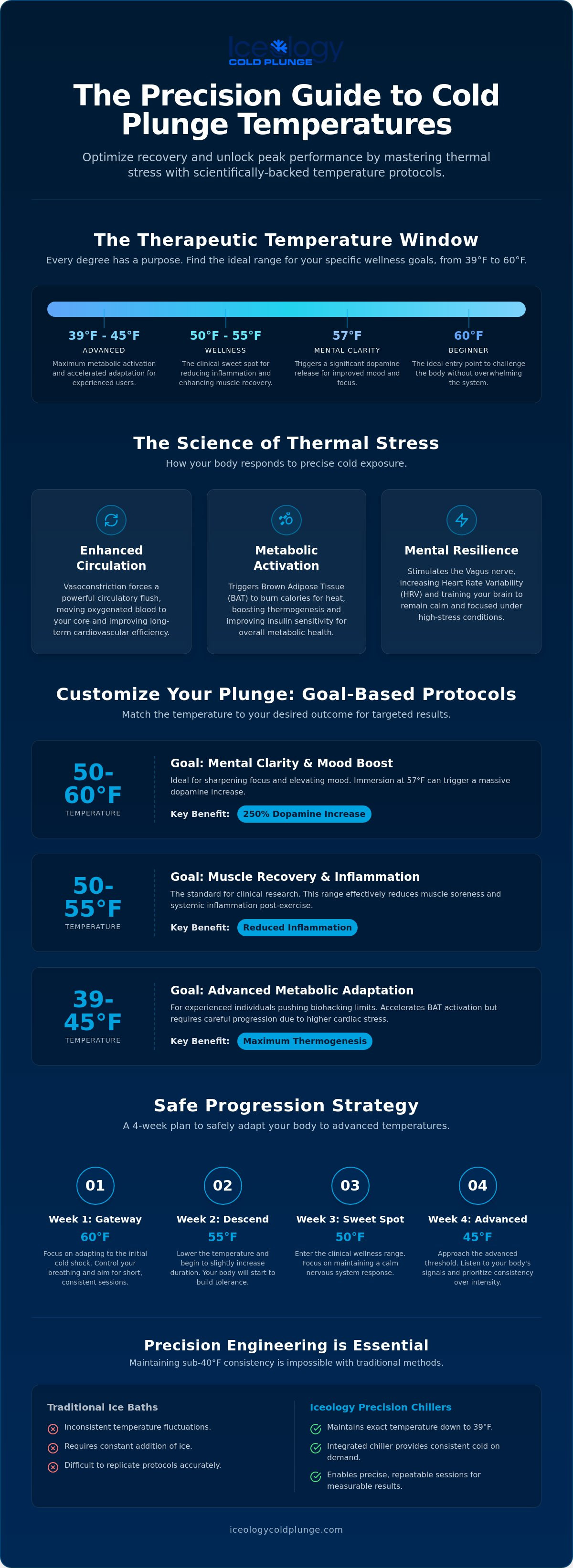
This guide serves as your roadmap for biological optimization. We will explore how to use water as a precision tool to trigger specific physiological responses, including the documented 250% dopamine increase found at 57°F. You'll learn the science of hormesis and how to safely progress from approachable beginner depths to advanced thresholds. We are going to break down the exact protocols for 2026, ensuring you know how to maintain a consistent 39°F and turn every session into a masterclass in recovery. It's time to stop guessing and start measuring your path to peak performance.
Key Takeaways
- Identify the therapeutic window between 39°F and 60°F to ensure every session triggers the desired hormonal and metabolic adaptations.
- Understand how thermal stress activates Brown Adipose Tissue (BAT), turning your recovery practice into a powerful tool for calorie burning and thermogenesis.
- Master the art of customization by matching your specific cold plunge temperature to your unique wellness goals; this includes specific protocols for muscle recovery and mental clarity.
- Learn a safe, four-week progression strategy designed to help you reach advanced temperatures while managing the environmental challenges of a hot climate.
- Discover why precision engineering and integrated chillers are essential for maintaining the sub-40°F consistency that traditional ice baths cannot provide.
Finding Your Baseline: What is the Ideal Cold Plunge Temperature?
Establishing a baseline is the first step toward a disciplined recovery practice. While the general therapeutic range for cold-water immersion spans from 39°F to 60°F, your ideal cold plunge temperature depends on your unique physiology. For those new to the practice, 60°F serves as the perfect gateway. It provides a significant enough stimulus to challenge the mind without overwhelming the nervous system. As you build tolerance, you can begin the descent toward more intense thermal stress.
Your personal variables play a massive role in how you perceive the cold. Individuals with higher body fat percentages often have more natural insulation. This allows them to tolerate lower temperatures sooner than leaner individuals. Experience also dictates your threshold. What feels like a shock today will feel like a manageable baseline after a few weeks of consistent practice. One of the most important indicators of success is the shiver response. When your body begins to shiver, it signals that your metabolism has activated to produce heat. This process, known as non-shivering thermogenesis, is exactly what triggers the metabolic benefits you're looking for.
The Industry Standard vs. Biohacking Extremes
In the world of clinical research, the most common cold plunge temperature used to study recovery and inflammation is between 50°F and 55°F. This range is widely considered the sweet spot for general wellness and muscle recovery. However, the biohacking community often pushes into the advanced zone of 39°F to 45°F. While these lower numbers can accelerate certain adaptations, they also increase the stress on the heart. For most people, consistency at a moderate temperature is far more valuable than a single, agonizing session at the absolute limit of what's possible.
Why 65°F May Not Be Cold Enough for You
Some wellness centers promote 65°F as a standard, but this often falls into the category of cool water relaxation rather than true cold stress. To achieve hormesis, the body must be pushed out of its comfort zone. Research suggests that a specific temperature threshold is required to trigger a significant release of norepinephrine, the chemical responsible for focus and mood enhancement. The thermal shock threshold typically occurs when the water temperature drops below 59°F. If you stay above this line, you may feel refreshed, but you'll miss the deep physiological shifts that define a high-performance recovery practice.
The Science of Thermal Stress: How Temperature Affects the Body
Understanding the physiological mechanics of cold immersion requires looking beyond the initial shock. When your skin hits the water, the body initiates immediate vasoconstriction. Blood vessels in your limbs tighten, forcing blood toward your core to protect vital organs. This rapid shift creates a powerful circulatory flush. It's an internal cleansing process that moves oxygenated blood throughout your system while assisting with lymphatic drainage. This vascular "workout" strengthens the walls of your blood vessels, promoting long-term cardiovascular efficiency.
Beyond circulation, your cold plunge temperature dictates the level of metabolic activation. Cold exposure is the primary trigger for Brown Adipose Tissue (BAT) activation. Unlike standard white fat, BAT is packed with mitochondria and burns through energy to generate heat through thermogenesis. This process doesn't just burn calories; it improves insulin sensitivity and overall metabolic health. Simultaneously, the immersion triggers the Vagus nerve. This stimulation increases your Heart Rate Variability (HRV), signaling to your brain that you can remain calm under high-stress conditions. It's the ultimate training ground for mental resilience.
The 50°F to 60°F Zone: Metabolic Boost and Circulation
Maintaining a temperature in this range is ideal for those seeking daily cognitive sharpening. Research indicates that immersion at 57°F can result in a 250% increase in dopamine levels. This creates a sustained sense of focus and mood elevation that lasts for hours. It's the perfect entry point for cold plunge mental performance, as it provides neurochemical benefits without the extreme physical toll of near-freezing water. For those aiming for metabolic health, following a protocol of 11 minutes total per week in this range has proven highly effective. If you're looking for a reliable way to hit these precise targets, exploring Iceology Cold Plunge Tubs can help you dial in your specific recovery needs.
The Sub-50°F Zone: Deep Inflammation and Nervous System Resilience
When you drop into the sub-50°F zone, the experience shifts from a mental boost to a profound physiological reset. This range is where deep muscle recovery and chronic inflammation reduction occur. The intense cold forces a massive release of norepinephrine, which can spike by up to 530%. This hormonal surge acts as a powerful anti-inflammatory agent. For athletes managing heavy training loads, these lower temperatures provide the system restart necessary to maintain high-level output. While challenging, this zone builds a level of nervous system resilience that translates directly into better stress management in all areas of life.
Customizing Your Plunge: Matching Temperature to Your Wellness Goals
Precision is the hallmark of a sophisticated recovery practice. You shouldn't treat your cold plunge temperature as a static setting. Instead, view it as a biological dial that you adjust based on your specific objectives for the day. A session designed to accelerate fat loss through brown fat activation requires a different dose of thermal stress than a session meant to soothe aching joints after a long run. By understanding these nuances, you can optimize every minute spent in the water.
There is a clear inverse relationship between water temperature and total immersion time. If you choose to sit in 59°F water, you might need five to ten minutes to achieve the desired physiological shift. Conversely, a two-minute dip at 42°F can provide a similar stimulus in a fraction of the time. Timing also dictates your strategy. Morning sessions are ideal for driving cortisol and alertness to start your day. Evening sessions, however, should lean toward the warmer end of the therapeutic range. This prevents a massive spike in core temperature that could potentially disrupt your sleep cycle.
Temperature for Muscle Recovery and Athletic Performance
For athletes, the 50°F to 55°F range is often considered the sweet spot. This temperature is cold enough to significantly reduce Delayed Onset Muscle Soreness (DOMS) by restricting blood flow and reducing tissue swelling. It's a staple for high-volume training phases where rapid turnaround is essential. However, the timing of your plunge is just as important as the temperature itself. If your primary goal is hypertrophy (muscle growth), you should wait at least 4 to 6 hours after your workout before getting into the water. Plunging too soon can blunt the natural inflammatory response required for muscle repair and growth. Understanding the benefits of cold plunge allows you to integrate this tool without sabotaging your strength gains.
Cold Exposure for Mental Clarity and Stress Management
If your focus is cognitive performance, a slightly warmer range of 55°F to 60°F acts as a powerful dopamine anchor. This range is approachable enough to permit longer sessions, which encourages the development of "top-down" control. This is the mental ability to remain calm and breathe through a stressful physical stimulus. By regularly exposing yourself to this controlled stress, you train your brain to regulate cortisol more effectively. You aren't just chilling your body; you are practicing the art of staying composed under pressure. This mental resilience translates directly into better focus and emotional stability throughout your work day.
Safe Progression: How to Reach 39°F in the Florida Heat
Achieving a target cold plunge temperature of 39°F is a feat of both mental discipline and technical management, particularly when external temperatures soar. It's tempting to jump straight into the deepest chill, but "ego plunging" often leads to panic or cold shock. Pushing beyond your current physiological capacity before you've built the necessary tolerance is counterproductive. Instead, listen to your body's subtle cues. Proper hydration is essential; being dehydrated can impair your body's ability to thermoregulate effectively. Combine this with controlled, rhythmic breathing to stay present as the water challenges your resolve.
The Safe Descent: A Beginner’s Temperature Progression
Mastering the cold is a marathon, not a sprint. A structured four-week descent allows your nervous system to adapt without triggering a chronic stress response. Begin with these milestones:
- Week 1: Master 60°F for 2-3 minutes. This phase is about overcoming the "gasp reflex" and finding your breath.
- Week 2-3: Transition to 50°F. Observe how your body adapts to the increased thermal stress and how your recovery time improves.
- Week 4+: Begin exploring the 39°F to 45°F range. This is where you unlock the maximum hormetic benefits discussed earlier in this guide.
By following this methodical path, you ensure that the practice remains a tool for health rather than a source of injury. For a deeper dive into the fundamentals of your first session, consult our cold plunge beginners guide.
Maintaining Thermal Stability in Florida
For residents in Miami or Tampa, the environment is the primary obstacle to a consistent practice. High humidity and ambient heat cause rapid melt rates in traditional setups, making it nearly impossible to stabilize your cold plunge temperature without constant maintenance. This is where engineering becomes your greatest ally. South Florida owners must prioritize high-density insulation to combat the tropical climate. Hard-sided, insulated tubs are far superior to inflatable options, which often "sweat" and lose thermal energy through their thin walls.
Strategic placement of your equipment also plays a critical role in efficiency. Position your tub in a shaded area, such as a covered patio or garage, to avoid direct sun exposure. This reduces the workload on your cooling system and helps maintain that crisp 39°F even during a mid-August heatwave. When your equipment is designed to handle the elements, you can focus entirely on your results rather than the logistics of keeping the water cold. If you are ready to master the heat with professional-grade recovery tools, explore our high-performance Cold Plunge Tubs.
Precise Thermal Management with Iceology Cold Plunge Tubs
Precision is the final step in mastering your recovery practice. While understanding the biology of cold exposure is essential, those benefits are only accessible if your equipment can maintain a consistent cold plunge temperature. In high-ambient environments like Florida, where humidity and heat are constant, standard tubs often struggle to keep up. Iceology units are engineered to bridge this gap. They provide the cooling power necessary to reach and hold a crisp 39°F even when the outside thermometer climbs into the mid-90s. This reliability transforms a difficult chore into a seamless daily ritual.
For busy professionals in Naples and West Palm Beach, time is the most valuable resource. You don't want to spend your morning hauling bags of ice or monitoring a thermometer. The "set it and forget it" convenience of an integrated system allows you to focus entirely on your mental and physical preparation. High-density polyurethane foam insulation acts as a thermal vault, keeping the heat out and the cold in. This engineering choice ensures that your water stays at the exact degree you've dialed in, regardless of the tropical climate outside your door.
Built-In Chillers vs. Manual Ice Loading
The hidden cost of manual ice baths in South Florida is significant. Maintaining a therapeutic cold plunge temperature using ice requires hundreds of pounds of product every week. This isn't just a financial burden; it's a labor-intensive process that often results in inconsistent water temperatures that fluctuate too rapidly for effective therapy. Digital control changes the equation. By using a cold plunge tub with chiller, you can select the precise degree required for your specific health goal. Whether you are aiming for 57°F for a cognitive boost or 39°F for deep systemic recovery, the chiller maintains that target with surgical accuracy.
USA-Made Craftsmanship and Thermal Efficiency
Durability is a prerequisite for any high-performance tool. Choosing cold plunge tubs made in USA ensures that your recovery system is built to withstand the rigors of daily use and environmental stress. Premium materials prevent thermal "leaks," which not only protects your water temperature but also reduces electricity costs by lessening the load on the cooling motor. This expert engineering provides peace of mind. You aren't just buying a tub; you are investing in a calibrated environment designed for longevity and peak efficiency. With local support and meticulous construction, you can trust that your path to optimization is supported by the best hardware available in 2026.
Master Your Recovery Protocol
Precision is the final bridge between a simple cold dip and a truly transformative recovery session. By matching your cold plunge temperature to specific physiological goals, you move from guesswork to guaranteed results. We've explored how a moderate chill triggers a 250% dopamine surge for mental clarity, while advanced depths below 45°F provide the systemic reset needed for deep inflammation control. The science is clear: your results are dictated by the accuracy and consistency of the thermal stimulus you provide your body.
You don't have to fight the environment to achieve these professional-grade outcomes. Our systems feature high-efficiency polyurethane insulation and meticulous USA-made craftsmanship to ensure your water stays at a crisp 39°F, regardless of the heat outside. This level of thermal stability allows you to focus entirely on the discipline of the practice itself. It's time to elevate your daily routine with a tool designed for peak performance. Design your own premium Iceology Cold Plunge station today and take full control of your physical and mental resilience. Your path to optimal recovery starts with the right degree of cold.
Frequently Asked Questions
What is the best cold plunge temperature for beginners?
The ideal cold plunge temperature for beginners ranges between 59°F and 68°F. This entry-level window allows your nervous system to adapt to the initial thermal shock without triggering a panic response. Starting at the higher end of this scale helps you build the necessary breathing techniques and mental stamina. Once you can comfortably remain in the water for three minutes, you can begin a gradual descent toward more advanced therapeutic ranges.
Is 60 degrees cold enough for a cold plunge?
Yes, 60°F is sufficient to trigger significant physiological responses like improved circulation and lymphatic drainage. While it's considered a gateway temperature, it still forces your body to work to maintain its core temperature. This range is particularly effective for daily cognitive sharpening and mood elevation without the heavy physical toll of near-freezing water. It's an excellent baseline for a consistent and sustainable practice.
How long should I stay in a 40-degree cold plunge?
You should aim for a duration of 1 to 3 minutes when the water is at 40°F. Because water is 25 times more thermally conductive than air, it removes heat from your body rapidly at these lower depths. Pushing beyond three minutes at this intensity often leads to diminishing returns and increases the risk of hypothermia. Focus on high-quality, controlled sessions rather than trying to set endurance records.
Can I cold plunge every day at 39 degrees?
Daily immersion at 39°F is possible for experienced practitioners who have spent months building metabolic and nervous system resilience. However, it's important to monitor your recovery and energy levels closely. Extreme cold is a powerful hormetic stressor, and your body requires adequate resources to adapt. If you feel chronically fatigued or notice a dip in your sleep quality, consider alternating with slightly warmer sessions to allow for recovery.
What temperature triggers the most weight loss benefits?
Metabolic benefits and brown fat activation are most effectively triggered in the 50°F to 59°F range. This window is cold enough to induce non-shivering thermogenesis, where your body burns calories specifically to generate heat. Maintaining this cold plunge temperature for a total of 11 minutes per week, spread across multiple sessions, is the scientifically supported protocol for optimizing metabolic health and insulin sensitivity.
Is it safe to cold plunge alone if the water is sub-50 degrees?
Safety protocols dictate that you should ideally have someone nearby when plunging into water below 50°F. The risk of cold shock or a sudden loss of motor control is higher at these advanced temperatures. If you must plunge alone, ensure you have a reliable way to exit the tub quickly and never lock the door to your recovery space. Always prioritize safety over the intensity of the session.
How do I maintain my cold plunge temperature in the Florida summer?
Maintaining a consistent cold plunge temperature in the Florida heat requires a combination of high-density polyurethane insulation and a powerful integrated chiller. Traditional ice baths fail in this climate because the ambient humidity and 90-degree heat melt ice faster than it can cool the water. Using a hard-sided, USA-made tub prevents thermal leaks and allows your cooling system to hold your target degree with minimal energy consumption.
Does the water temperature need to be lower if I am also using a sauna?
The water doesn't need to be colder when practicing contrast therapy; the delta between the sauna and the plunge is already massive. Using water in the 50°F to 55°F range after a sauna session provides a powerful vascular flush without overstressing the heart. The rapid shift from extreme heat to cold is what drives the anti-inflammatory and circulatory benefits, so focus on the transition rather than chasing the absolute lowest temperature.